How Fotona 4D Laser Facial (TimeWalker) Targets Multiple Layers of Skin in Encino, CA
@zionaldi886
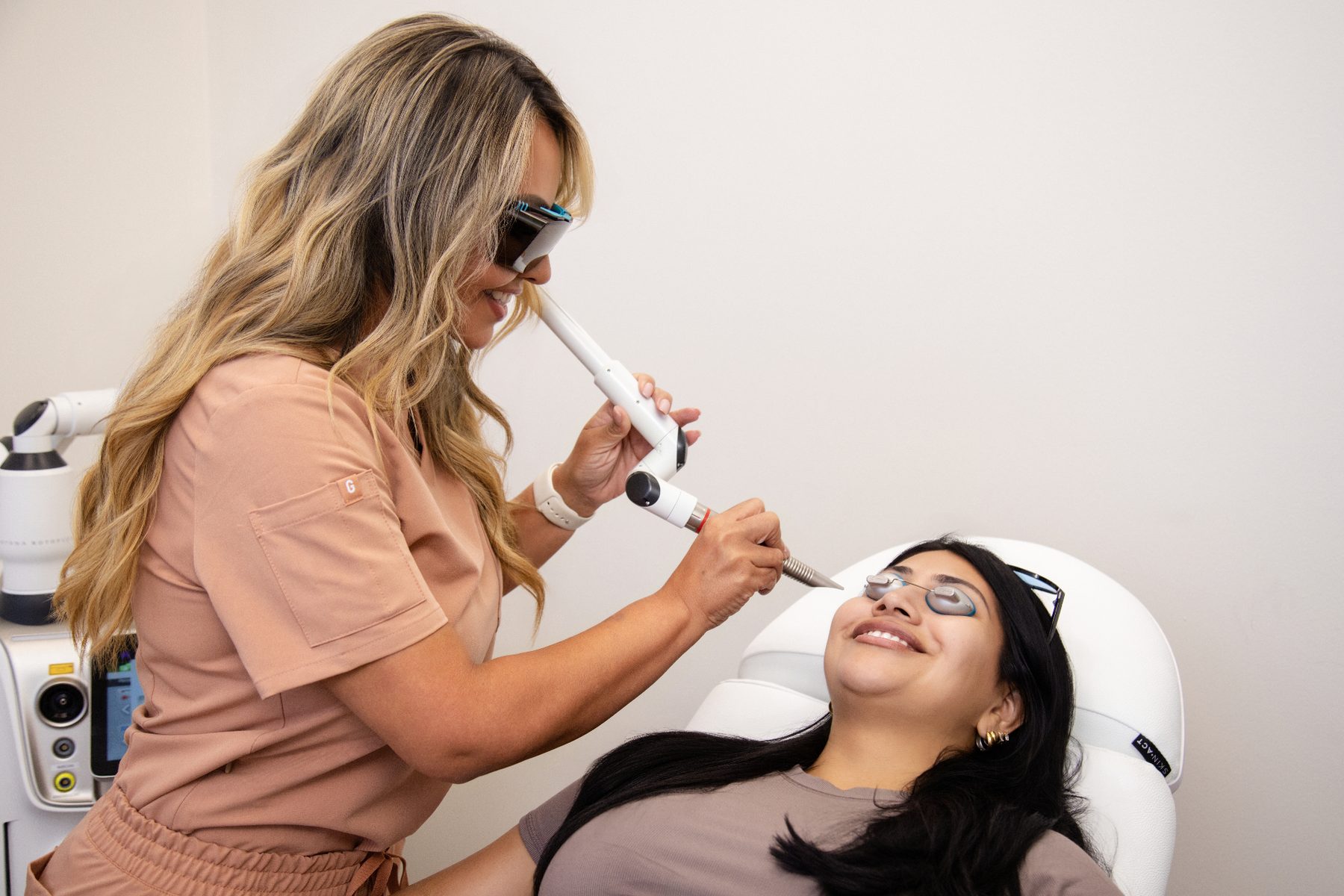
When patients ask why some laser facials deliver a quick glow but do not do much for laxity, texture, or deeper structural change, the answer usually comes down to depth. Skin aging does not happen in one flat plane. Fine lines begin at the surface, collagen loss develops lower down, and laxity involves tissue support that sits even deeper. A treatment that addresses only one layer can help, but it often leaves part of the problem untouched.
That is the real appeal of the Fotona 4D Laser Facial, often associated with the TimeWalker platform. Instead of relying on a single pass or a single wavelength approach, it is designed to work through multiple layers of the skin and soft tissue in one session. In a place like Encino, where many patients want visible improvement without committing to surgery or a long recovery, that layered strategy makes practical sense.
The name sounds technical, but the concept is straightforward. Different modes are used to heat and stimulate distinct levels of tissue, from inside the mouth to the skin surface. The goal is not just brighter skin for a few days. It is more comprehensive support for collagen remodeling, texture refinement, and a firmer look over time.
Why multi-layer treatment matters
Aging shows up in several ways at once. Someone may notice crepey skin under the eyes, etched smile lines, early jowling, rough texture around the cheeks, and dullness across the whole face. These changes are related, but they do not all originate from the same depth.
Surface roughness and enlarged pores are visible at the outermost level. Pigment irregularity can sit closer to the epidermis. Fine lines often reflect repeated movement plus thinning skin. Laxity in the lower face has more to do with collagen decline and tissue support beneath the surface. That is why a one-dimensional treatment can feel incomplete. It may polish the top while doing very little for firmness, or tighten modestly without improving tone and texture.
In practice, the best non-surgical outcomes usually come from matching the treatment depth to the problem. The Fotona 4D Laser Facial (TimeWalker) Encino, CA patients ask about so often stands out because it was built around that principle. It combines several stages that target separate tissue planes, rather than expecting one setting to solve every concern.
What Fotona 4D actually refers to
The “4D” in Fotona 4D generally refers to four treatment dimensions or modes that work together during the same appointment. The exact protocol can vary depending on the provider, the patient’s skin condition, and whether the session is focused on prevention, maintenance, or more corrective work. Still, the treatment is commonly structured around an intraoral tightening phase, deeper fractional heating, a more superficial collagen-stimulating pass, and a finishing peel-like resurfacing step.
That combination gives clinicians flexibility. A younger patient in her thirties who mainly wants prevention and glow may not need the same intensity as a patient in her fifties dealing with more visible laxity and etched lines. The same platform can be adjusted accordingly, which is one reason experienced practices use it for a broad age range.
The inside-out approach is not just marketing
One of the features that gets the most attention is the intraoral component. This means part of the treatment is performed from inside the mouth, usually along the cheeks and around the perioral area. At first, patients tend to find this unusual. Then they understand why it matters.
The tissues that contribute to nasolabial folds and perioral creasing are not only influenced by the outer skin. Support structures inside the cheek also change over time. Delivering controlled heat from the intraoral side can stimulate contraction and collagen remodeling in a way that topical treatments and standard facials simply cannot reach.
Clinically, this often matters most for patients who say things like, “My smile lines look heavier even when my Fotona 4D Laser Facial (TimeWalker) Encino, CA skin seems healthy,” or, “The area around my mouth looks older than the rest of my face.” The inside-the-mouth step is not a substitute for a facelift, and it should not be sold that way. But for patients who want a non-surgical option with a meaningful tightening component, it addresses an area that many other facial treatments ignore.
Breaking down the layers
A useful way to understand the treatment is to think of it as a sequence of controlled thermal events, each one intended for a different purpose. Some providers explain this in highly technical laser language. Most patients benefit more from a plain-language explanation.
The deeper phases create bulk heating below the surface. This can encourage collagen contraction and longer-term remodeling. The mid-level passes work on texture, elasticity, and skin quality. The final, lighter resurfacing step can improve radiance and smoothness at the outer layer. Put together, the face often looks not only brighter, but tighter and more rested.
Here is how those layers commonly function in practice:
- The intraoral step targets tissue support from inside the mouth, especially around the cheeks and smile lines.
- A deeper fractional pass delivers heat into subdermal tissue to stimulate tightening and collagen renewal.
- A more superficial mode addresses fine lines, texture, and overall skin quality.
- A finishing resurfacing step lightly polishes the surface for a smoother, fresher appearance.
That sequence explains why many patients describe the result as more complete than a standard laser facial. They are not just seeing a temporary glow. They are seeing incremental change from the inside out.
How the skin responds after treatment
Laser energy creates a controlled response. That response is the point. When the tissue is heated appropriately, the body reacts by initiating repair mechanisms that include collagen stimulation and remodeling. The process is gradual, which is why providers should be careful not to overpromise instant tightening. Some patients do see an early firmness related to tissue contraction and post-treatment swelling, but the more durable changes usually develop over weeks to months.
This is where clinical judgment matters. Patients often come in before a wedding, a milestone birthday, or photo-heavy event season and ask whether one treatment will do everything. A single session can absolutely improve tone and texture and may give a nice refreshed look. If the concern is deeper laxity or more established aging, a series often produces better results. Depending on the individual, that might mean two to four treatments spaced several weeks apart, followed by maintenance. Exact timing Fotona 4D Laser Facial (TimeWalker) Encino, CA varies by skin condition, age, and goals.
The best outcomes usually happen when the patient understands that collagen work is cumulative. The treatment is not trying to force an overnight transformation. It is nudging the skin to behave more youthfully over time.
What patients in Encino tend to look for
Encino patients often sit in an interesting middle ground. Many want polished, visible results, but not something that leaves them hiding for a week or looking obviously “done.” They want to go to work, run errands, attend dinners, and still feel comfortable socially. That makes treatments with moderate downtime especially attractive.
The Fotona 4D Laser Facial (TimeWalker) Encino, CA practices offer tends to appeal to several groups at once. There are younger patients using it as a collagen-banking strategy. There are patients in their forties and fifties looking to soften early laxity before they would ever consider surgery. Then there are patients who are not surgical candidates, or simply do not want surgery, but still want more than a basic facial can provide.
Climate and lifestyle matter too. Southern California sun exposure, even when people are diligent with sunscreen, tends to show up as pigment irregularity, roughness, and collagen wear over time. A treatment that can address texture while also supporting firmness has a practical edge in that setting.
What treatment day usually feels like
Comfort is one of the first things patients ask about, and the honest answer is that experience varies by the settings used and the person’s sensitivity. Most describe the treatment as tolerable rather than relaxing. The intraoral phase can feel warm and unusual. External passes often create a snapping or heating sensation. Some offices use topical numbing depending on the protocol, while others rely on cooling, pacing, and careful technique.
A full session may take roughly 45 to 90 minutes, depending on how comprehensive the treatment is and whether additional areas such as the neck are included. That range is broad because “Fotona 4D” is not a one-size-fits-all service. A provider may customize the intensity, number of passes, and treatment zones.
Afterward, it is common to have redness, warmth, and mild swelling. Some patients look lightly flushed for a day. Others, especially after a stronger resurfacing finish, may see more visible redness for several days. Dryness and a sandpapery feel can follow as the skin renews itself. Usually, this is manageable with gentle skincare, sun protection, and a brief pause from strong active ingredients.
The difference between glow and real remodeling
A lot of aesthetic treatments can make skin look better for 48 hours. Good hydration, mild exfoliation, and temporary swelling can do that. What separates a more advanced laser facial from a cosmetic pick-me-up is whether it creates actual structural change.
With Fotona 4D, the deeper thermal stimulation is what gives the treatment a longer runway. Surface glow is nice, but it is the collagen response underneath that tends to matter most for contour and resilience. That also explains why timing matters. If someone has an event on Saturday, a treatment on Thursday may not be ideal unless the provider expects very little visible redness. If someone starts a series two or three months before an event, the chances of seeing a stronger overall improvement are better.
This is one of those areas where expectations can either make the experience satisfying or disappointing. Patients who understand the distinction between immediate polish and slower remodeling are usually happiest with the process.
Who tends to be a good candidate
Good candidates are often patients with mild to moderate skin laxity, textural irregularities, dullness, enlarged pores, fine lines, or early volume-support changes around the cheeks and mouth. It can also work well for people who want a non-invasive option with less downtime than more aggressive resurfacing procedures.
That said, not every face belongs in the same category. Someone with significant sagging and heavy jowls may still benefit from the treatment, but should understand its limits. It may improve skin quality and provide some tightening without replacing what surgery does. On the other end of the spectrum, someone with very minimal aging may not need a full corrective protocol and might do well with a lighter maintenance session.
Skin type, medical history, active breakouts, melasma tendencies, recent sun exposure, and current skincare products all matter. A careful consultation should cover these details. Thoughtful providers also ask about the patient’s real goal, not just the feature they point to first. Sometimes a patient asks for help with “pores,” but what is bothering her most is lower-face heaviness. Those are different treatment conversations.
Where it fits compared with other options
Patients often compare this treatment with microneedling, radiofrequency, broad-spectrum light treatments, more aggressive fractional lasers, or injectables. Each has a place. The value of Fotona 4D is that it bridges several goals at once. It can tighten modestly, improve texture, and refresh the surface without the level of downtime associated with stronger ablative resurfacing.
Microneedling can be excellent for texture and collagen support, especially when performed well and in a series. Radiofrequency devices can offer tightening benefits, though the sensation and depth profile differ. Ablative lasers may produce more dramatic resurfacing results in some cases, but often with more recovery and more aftercare. Injectables address movement and volume in ways lasers do not. The smartest plans are not built on brand loyalty. They are built on matching the tool to the problem.
That is why experienced practitioners often use Fotona 4D as part of a broader aesthetic strategy rather than as a magic answer. For one patient, it may be the centerpiece. For another, it may complement neuromodulators, conservative filler, or a pigment-focused treatment plan.
Recovery is usually manageable, but not zero
One reason this treatment has gained traction is that many patients can return to normal activities quickly. Still, “minimal downtime” should not be confused with “no visible reaction.” Patients can leave pink, puffy, or warm. Makeup may be possible within a day or so depending on the intensity used, but some choose to wait longer, especially if the skin feels dry or sensitive.
A practical recovery plan usually includes a bland moisturizer, gentle cleanser, daily mineral or broad-spectrum SPF, and a temporary break from retinoids, acids, scrubs, and other irritating products. Heat exposure matters too. For at least a short period, it makes sense to avoid saunas, intense workouts, and anything else that can amplify inflammation.
The patients who recover most smoothly are not always the ones with the “strongest” skin. They are often the ones who prepare well, avoid sun before and after, and do not overdo their skincare during healing.
Questions worth asking at a consultation
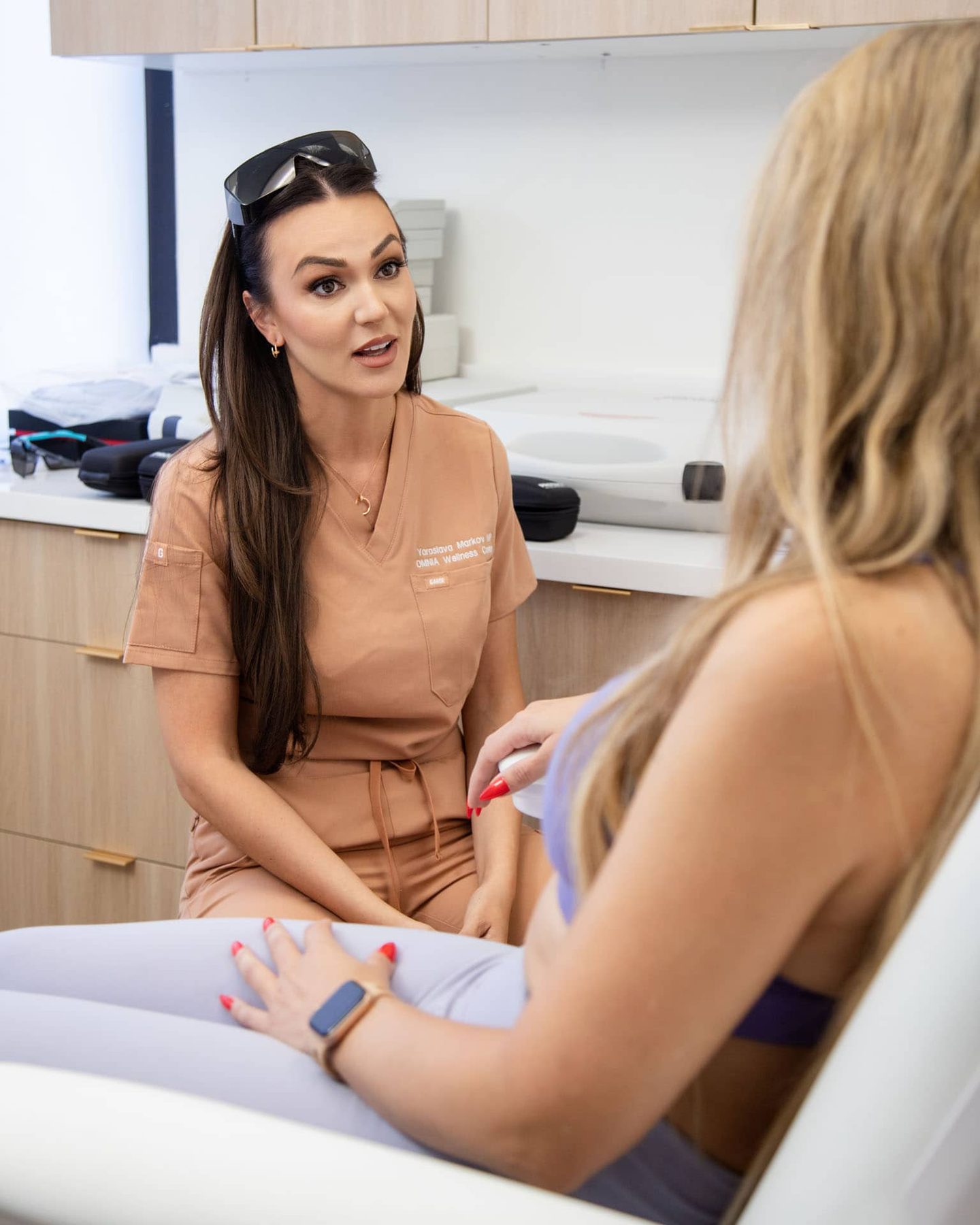
Not all laser appointments are created equal. The platform matters, but the operator matters at least as much. Settings, sequence, patient selection, and aftercare determine a lot of the outcome.
A worthwhile consultation should clarify a few essentials:
- Which concerns are most likely to improve, and which are unlikely to change much?
- How many sessions are realistic for the goal?
- What kind of downtime should be expected with the proposed settings?
- How does this compare with alternative treatments for the same concern?
- What does maintenance look like once the initial series is complete?
If those answers are vague, or if the treatment is being pitched as a cure-all, it is reasonable to slow down and ask more questions.
The role of technique and customization
One of the biggest differences between an average result and a strong result often comes down to customization. Some patients need more emphasis on the perioral area. Others benefit most from work along the cheeks and jawline. A patient with very reactive skin may need a more conservative resurfacing finish than someone whose main complaint is texture and visible pores.
This is where real-world experience shows. A seasoned provider knows when to prioritize tightening over surface polish, when to stage treatments instead of stacking too much in one session, and when not to treat. That last point is underrated. Sometimes the best use of a consultation is deciding that a different technology, or a combination plan, is the smarter choice.
For patients in Encino, that matters because there is no shortage of aesthetic offerings. The challenge is not finding a laser. It is finding a treatment plan with enough nuance to serve the actual face in front of the provider.
What kind of results are realistic
The most realistic expectation is improvement, not reinvention. Patients may notice smoother texture, softer fine lines, brighter tone, modest tightening, and a fresher appearance overall. Those with early laxity often appreciate the cumulative effect most, especially around the cheeks, mouth, and lower face. People with roughness or dullness tend to notice the surface benefits earlier.
Results also depend on the starting point. A patient with mild aging can look significantly refreshed with relatively little intervention. A patient with more advanced laxity may still improve, but the degree of change will be subtler relative to the baseline. This is not a flaw in the treatment. It is simply what non-surgical skin remodeling can and cannot do.
Age is only one factor. Sun history, smoking history, hormones, sleep, stress, and daily skincare all affect the way skin responds. Even among similar patients, outcomes can vary.
Why this treatment continues to attract attention
There are plenty of facial treatments that sound good on paper. Fewer earn repeat interest because patients can actually see a difference that fits into normal life. The appeal of Fotona 4D lies in that balance. It aims deeper than a standard facial, treats more than one layer, and usually avoids the recovery associated with the most aggressive resurfacing options.
For patients considering a Fotona 4D Laser Facial (TimeWalker) Encino, CA offers an audience that tends to be informed, selective, and practical. They want treatments that do more than trend on social media. They want options that make anatomical sense, respect downtime, and produce changes that look like better skin, not altered identity.
That is the core strength of this approach. It acknowledges that skin aging is layered, then treats it that way. When done well, with appropriate expectations and careful customization, that multi-depth strategy can produce results that feel both visible and believable.
OMNIA Wellness Center
16430 Ventura Blvd Ste 207, Encino, CA 91436
Phone: +1 818-386-8511
FAQ About Fotona 4D Laser Facial (TimeWalker) Encino, CA
What is a Fotona laser good for?
Fotona lasers support several different aesthetic protocols. The Fotona 4D facial uses two wavelengths and four treatment modes to address concerns such as fine lines, skin texture, and mild laxity. OMNIA Wellness Center offers the TimeWalker facial with an individual consultation. Suitability and likely improvement depend on the person's skin and goals; results are not guaranteed, and this treatment does not reproduce a surgical facelift.
How much does a Fotona laser treatment cost?
The cost depends on the treatment protocol, areas treated, number of sessions, and provider's assessment. Ask OMNIA Wellness Center for a current written quote that explains what is included, whether follow-up is included, and any proposed package terms. An individualized estimate is more useful than assuming that one advertised price applies to every facial treatment.
How much downtime is there after a Fotona laser procedure?
Recovery varies with the specific protocol and intensity. Fotona describes its 4D facial as having little to no downtime, but temporary redness or sensitivity can occur, and a stronger surface treatment can require more recovery. Ask the treating clinician what to expect from the planned settings, how to care for the skin afterward, and when to contact the clinic with concerns.