A Local Guide to Fotona 4D Laser Facial (TimeWalker) in Encino, CA
@zionaldi886
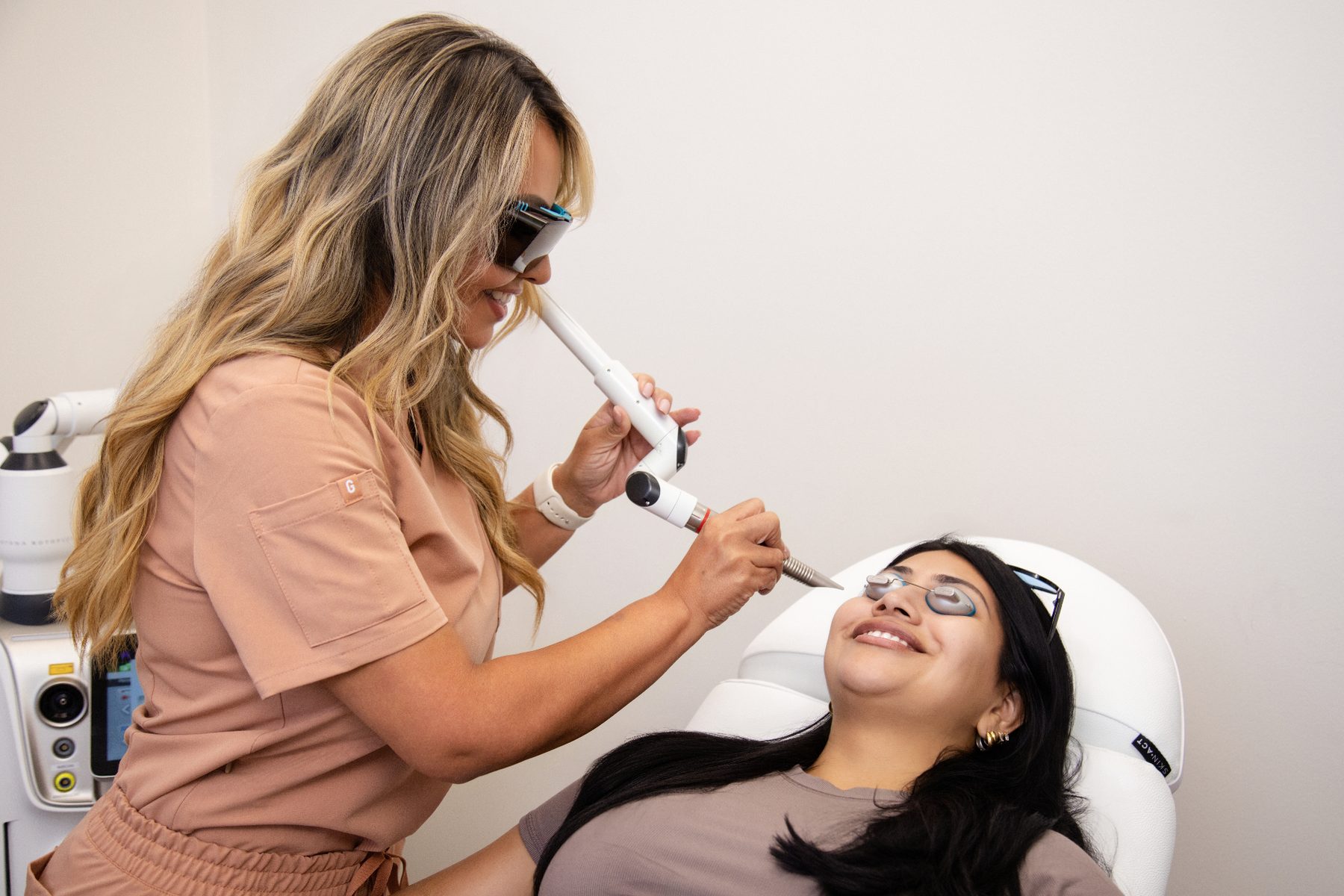
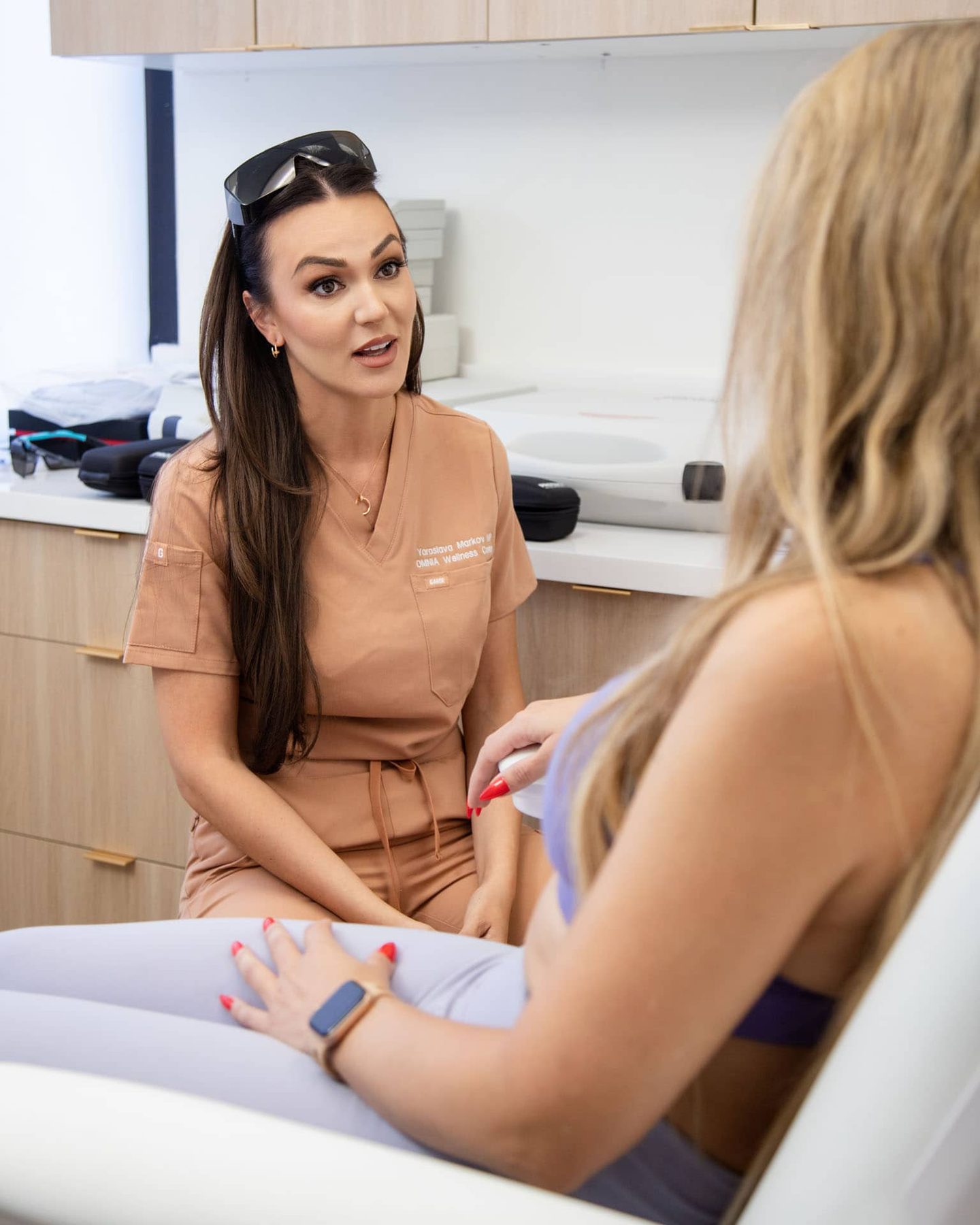
If you have spent any time looking into non-surgical skin tightening in the Valley, you have probably seen the Fotona name come up again and again. In Encino, where cosmetic dermatology and aesthetic medicine are part of the local landscape, the Fotona 4D Laser Facial, often associated with the TimeWalker platform or treatment family, has built a strong following for one simple reason: it aims to improve tone, texture, laxity, and overall skin quality without surgery and with far less downtime than a facelift.
That sounds appealing, of course. The harder part is understanding what the treatment actually is, who tends to do well with it, and how to judge whether a provider in Encino is offering a thoughtful treatment plan or just selling a trendy service.
The short version is that Fotona 4D is not a single pass of a laser over the skin. It is typically a layered treatment concept that uses different laser modes and depths to target tissue from both inside the mouth and across the face. Done well, it can create a subtle lift, soften etched lines, improve surface quality, and give the face a firmer, more rested look. Done casually, or sold to the wrong patient, it can lead to disappointment because the results are usually gradual and moderate, not miraculous.
That distinction matters. People who are happiest with this treatment usually understand what it can do, what it cannot do, and how it fits into a bigger skin strategy.
Why Encino patients tend to ask for this treatment
Encino has a very specific aesthetic culture. Many patients want visible improvement, but they do not want to look obviously treated. They want to go to lunch on Ventura Boulevard, run errands, meet clients, show up at school pickup, and not have people asking if they “had work done.” That is exactly the lane where treatments like Fotona 4D tend to make sense.
The appeal is not just vanity. It is practicality. A lot of adults in their late 30s, 40s, 50s, and beyond notice a familiar cluster of changes all at once: the lower face looks softer, the jawline loses some crispness, pores seem larger, makeup sits differently, and the skin under certain lighting looks tired even after a good night’s sleep. They may not be ready for surgery. They may not want filler everywhere. They may already do facials, peels, and neuromodulators, but still feel the skin itself needs more support.
That is where the Fotona 4D Laser Facial (TimeWalker) Encino, CA conversation usually starts.
What Fotona 4D actually means
The “4D” label refers to a multi-dimensional treatment approach rather than one simple laser setting. Exact protocols vary by practice and by the provider’s training, but the concept generally involves several stages that address deeper tissue, mid-level tightening, and surface refinement.
One of the better-known aspects of Fotona 4D is the intraoral component, where the laser is used inside the mouth to heat tissue along the cheeks and perioral area. Patients are often intrigued by that part because it sounds unusual, but there is logic behind it. Treating from the inside can support collagen remodeling in areas that contribute to nasolabial folds and lower-face laxity.
Then there are external passes that may focus on skin tightening, superficial resurfacing, or textural refinement, depending on the goals and the skin type. Some providers tailor the intensity heavily. Others use a more standardized package. That difference can affect both comfort and outcome.
A common misconception is that every “Fotona 4D” treatment looks identical from office to office. It does not. The platform is versatile, and the outcome depends on patient selection, settings, treatment spacing, and operator judgment. That is one reason local reputation matters so much when choosing where to go in Encino.
The kinds of concerns it tends to treat best
In my experience, the ideal patient is not usually someone seeking a dramatic one-time transformation. The ideal patient is someone with mild to moderate laxity, early to moderate signs of aging, or a generally “crepey, dull, slightly sagging” look who wants meaningful refinement without surgery.
Fotona 4D often enters the conversation for concerns like lower-face softening, smile lines, early jowling, fine lines around the mouth, textural roughness, enlarged pores, and a general loss of firmness. It can also appeal to people who are wary of injectables, particularly those who have seen overly filled faces and want a different route.
It is less ideal as a stand-alone answer for very deep folds, significant skin redundancy, heavy jowling, or pronounced neck laxity. Those patients may still benefit from laser treatment as part of a broader plan, but they should be counseled honestly. Lasers can stimulate collagen and improve tissue quality. They do not physically remove excess skin.
That is one of the most important trade-offs to understand before booking.
What a session usually feels like
Most patients want to know one thing right away: does it hurt?
The honest answer is that comfort varies. Some parts feel quite manageable, more like heat and prickling. Other parts, especially around the mouth or in more aggressive resurfacing settings, can be sharper and hotter. Topical numbing is often used, though protocols differ. The intraoral portion can feel strange rather than painful, mostly because the sensation is unfamiliar.
A typical appointment is not as quick as a basic facial. You are usually there long enough for consultation, photography, numbing if used, the treatment itself, and immediate post-care. Depending on how comprehensive the session is, you may be in the office for well over an hour.
Right after treatment, many patients are pink to red, warm, and a little puffy. If the session included a more active resurfacing component, you may look more noticeably treated for a few days. If the settings were gentler, you might simply look flushed, like you had been out in the sun or had a vigorous workout.
This is where expectations matter again. Some offices market it as a “lunchtime” treatment, and for a very light version, that may be partly fair. But many patients in real life prefer not to schedule it right before a social event.
Downtime is not one-size-fits-all
One of the most common mistakes patients make is assuming laser downtime has a universal script. It does not.
A lighter Fotona 4D session may leave you pink for a day or two, with some dryness and a rough, sandpapery feel as the skin turns over. A more assertive session can mean several days of redness, swelling, and visible textural change before things settle. In some skin types, post-treatment redness can linger longer than expected, even when everything is healing normally.
That range is why you should ask very specific questions during your consultation. “Will I be back to normal tomorrow?” is too vague. “How many days until I can comfortably go to work without makeup?” is much more useful. So is, “When can I safely return to exercise, heat, and active skin care?”
Encino patients who plan well tend to do better emotionally with the process. If you schedule this right before a wedding, headshots, or a major work presentation, you may create stress you did not need.
The TimeWalker name and what it signals
The TimeWalker branding can cause some confusion because patients often use it interchangeably with Fotona 4D. In practical terms, TimeWalker refers to a newer aesthetic treatment concept or platform branding associated with Fotona technologies, often emphasizing rejuvenation protocols. A provider may talk about TimeWalker facials, TimeWalker laser rejuvenation, or Fotona 4D within that broader family of treatment offerings.
What matters more than branding is the actual protocol being offered to you. Ask what depths are being treated, whether there is an intraoral component, whether resurfacing is included, how many sessions are recommended, and how the plan changes based on skin tone, sensitivity, and goals.
The label on the menu matters less than the precision of the treatment plan.
Who should be cautious
Not every good treatment is a good treatment for every face. Laser medicine always requires nuance.
Patients with very reactive skin, active infections, a damaged skin barrier, recent sun exposure, certain pigment concerns, or a history of post-inflammatory hyperpigmentation need careful assessment. Darker skin tones can often be treated safely with the right settings and expertise, but that should never be approached casually. Conservative planning matters. So does a provider’s actual comfort level with diverse skin types.
There is also the issue of timing. If someone is using strong prescription topicals, has just had another procedure, or has an event around the corner, it may be smarter to delay rather than rush.
Then there is the emotional side. Patients who want a surgical result without surgery are often not good candidates for satisfaction, even if they are technically good candidates for treatment. The best consultations are the ones where the provider gently recalibrates the goal before treatment starts.
How many sessions you may need
This is another area where marketing can blur reality. Some patients do notice a nice glow and subtle tightening after one treatment. But collagen remodeling is gradual, and many providers recommend a series for best results, followed by maintenance.
How many sessions make sense depends on age, skin quality, degree of laxity, lifestyle, and how aggressive each appointment is. Someone in their early 40s with mild textural aging may be thrilled after a smaller series. Someone with more established lower-face laxity may need a broader plan and may still pair laser with other modalities later.
A practical way to think about it is this: Fotona 4D is often a build-and-maintain treatment, not a one-and-done rescue.
What results tend to look like in real life
The best outcomes are often noticed in mirrors and photographs before they are noticed by strangers. Skin can look smoother, tighter, and more refined. Makeup may sit better. The lower face may read a little firmer. The area around the mouth can look less etched. You may look more rested without looking different in an obvious way.
That subtlety is a feature, not a flaw, for many patients in Encino. But it also means the treatment can underwhelm people who are expecting dramatic lifting.
A patient once described a successful laser result perfectly: “I don’t look younger exactly. I just look less tired, and my skin looks more expensive.” That kind of description is much closer to reality than any promise of a non-surgical facelift.
Cost in Encino, and why prices vary
Pricing for the Fotona 4D Laser Facial (TimeWalker) Encino, CA will vary based on the provider’s credentials, the technology in use, how comprehensive the session is, and whether the office prices per treatment or as part of a package. Geography matters too. Encino sits in a market where aesthetic pricing reflects both demand and provider specialization.
A very low quote should make you curious. It may still be legitimate, especially during an introductory promotion, but ask what is actually included. Some offices advertise a name-brand treatment but deliver a much lighter version than patients imagine. On the other hand, the highest price is not automatically the best value either. Experience, customization, and honest counseling matter more than a luxury waiting room.
It is reasonable to ask for clarity about whether your quote includes consultation, numbing, aftercare products, follow-up, and any maintenance recommendations. Transparent offices rarely mind those questions.
Choosing the right provider in Encino
This is where local knowledge counts. In an area with plenty of med spas, cosmetic practices, and dermatology offices, the important distinction is not who has the flashiest social media. It is who evaluates your skin carefully, explains trade-offs clearly, and has enough experience to adapt the treatment to your face rather than push a package.
Look closely at before-and-after photos, but read them with a critical eye. Are they consistent in lighting and expression? Are the results subtle but believable? Do they reflect patients with concerns similar to yours? If every photo looks filtered, overlit, or taken from different angles, that tells you very little.
It also helps to notice how a practice talks about combination planning. A strong aesthetic provider rarely treats everything as a laser problem. They understand when skin tightening is helpful, when volume loss is the bigger issue, and when surgery should at least be part of the conversation.
Here are a few smart questions to bring to a consultation:
- Am I a good candidate for Fotona 4D specifically, or would another treatment fit my skin and goals better?
- How much downtime should I realistically expect with the settings you recommend for me?
- How many sessions do you think I need before I judge the result?
- What kind of improvement is realistic for my jawline, mouth area, or skin texture?
- How often do you treat patients with my skin type and level of sensitivity?
That five-minute conversation can tell you more than a glossy brochure ever will.
Preparing well makes a difference
Good outcomes often begin before the laser is even turned on. The skin should be calm, protected from sun, and not irritated by overuse of active products. If you are someone who alternates retinoids, acids, scrubs, and every trending serum online, this is the moment to simplify.
Providers usually give specific pre-care instructions based on your treatment plan, but common-sense preparation matters too. Avoid tanning, avoid treating inflamed skin like it is normal skin, and tell the office about cold sore history, prescriptions, recent procedures, and past reactions to lasers or peels. Small details can change the plan in useful ways.
The same goes for aftercare. Patients who heal Fotona 4D Laser Facial (TimeWalker) Encino, CA best tend to be disciplined for a few days. They do not decide that post-laser skin is the ideal moment to experiment with strong exfoliants or a new active serum.
A short, practical aftercare checklist looks like this:
- Use only the cleanser, moisturizer, and recovery products your provider recommends.
- Keep out of direct sun and wear diligent sun protection once cleared to do so.
- Pause strong actives until your skin has fully settled.
- Skip intense exercise, heat exposure, and friction if your provider advises it.
- Contact the office if redness, swelling, or discomfort seems to be worsening rather than improving.
That kind of restraint is not glamorous, but it prevents a lot of self-inflicted trouble.
How it compares with other popular options
Patients in Encino often cross-shop Fotona 4D with RF microneedling, traditional resurfacing lasers, ultrasound-based tightening, and injectables. Each has a different strength.
Fotona 4D can be attractive because it combines tightening and rejuvenation in a layered way. RF microneedling may be better for some acne scarring or textural issues, depending on device and operator. More aggressive ablative resurfacing can produce stronger surface change but usually comes with more downtime. Injectables can replace volume or reduce muscle movement, but they do not improve skin quality the same way energy-based treatments can.
This is why a thoughtful provider may recommend a sequence rather than a single hero treatment. Sometimes the best result comes from treating skin quality first, then fine-tuning with neuromodulator or conservative filler later. Sometimes the reverse is true. The face is a system. Treating one variable while ignoring the others often leads to mediocre outcomes.
A realistic local perspective
The people who tend to love this treatment in Encino are often those who are consistent, patient, and not chasing instant extremes. They usually have some understanding that collagen work is cumulative. They tend to appreciate refined changes rather than dramatic headlines. And they are usually willing to hear, “This can help, but it will not replace surgery,” without feeling offended.
That level of realism is healthy. It protects you from overspending on the wrong procedure and helps you invest in treatments that match your stage of aging, schedule, and goals.
If you are considering the Fotona 4D Laser Facial (TimeWalker) Encino, CA, the smartest move is not to ask whether the treatment is good in the abstract. It is to ask whether it is good for your face, your skin, your tolerance for downtime, and your expectations. When those pieces line up, it can be a very worthwhile option. When they do not, even an excellent device in a beautiful office can become an expensive mismatch.
In aesthetic medicine, the device matters. The hands using it matter more.
OMNIA Wellness Center
16430 Ventura Blvd Ste 207, Encino, CA 91436
Phone: +1 818-386-8511
FAQ About Fotona 4D Laser Facial (TimeWalker) Encino, CA
What is a Fotona laser good for?
Fotona lasers support several different aesthetic protocols. The Fotona 4D facial uses two wavelengths and four treatment modes to address concerns such as fine lines, skin texture, and mild laxity. OMNIA Wellness Center offers the TimeWalker facial with an individual consultation. Suitability and likely improvement depend on the person's skin and goals; results are not guaranteed, and this treatment does not reproduce a surgical facelift.
How much does a Fotona laser treatment cost?
The cost depends on the treatment protocol, areas treated, number of sessions, and provider's assessment. Ask OMNIA Wellness Center for a current written quote that explains what is included, whether follow-up is included, and any proposed package terms. An individualized estimate is more useful than assuming that one advertised price applies to every facial treatment.
How much downtime is there after a Fotona laser procedure?
Recovery varies with the specific protocol and intensity. Fotona describes its 4D facial as having little to no downtime, but temporary redness or sensitivity can occur, and a stronger surface treatment can require more recovery. Ask the treating clinician what to expect from the planned settings, how to care for the skin afterward, and when to contact the clinic with concerns.